

Introduction to Risk and AI GARP
In today’s rapidly evolving financial world, Risk and AI GARP have become inseparable concepts. The Global Association of Risk Professionals (GARP) — a global authority in risk management education — is leading the transformation of traditional risk assessment models through artificial intelligence (AI) and data analytics.

As organizations increasingly rely on automation and predictive algorithms, AI’s integration with GARP’s frameworks ensures that professionals remain competent, ethical, and forward-thinking in managing modern risk complexities. This synergy not only enhances decision-making but also improves transparency, speed, and accuracy in financial operations.
What Is GARP and Why It Matters in Risk Management
The Global Association of Risk Professionals (GARP) is an international organization dedicated to advancing risk education and setting professional standards. With flagship certifications like the Financial Risk Manager (FRM) and Sustainability and Climate Risk (SCR), GARP equips professionals to navigate volatile markets with confidence.
GARP’s mission is to foster a culture of risk awareness and innovation. In the era of digital transformation, GARP has evolved to incorporate AI literacy and machine learning applications into its programs, preparing professionals to handle emerging threats such as algorithmic bias, cybersecurity risk, and model risk.
Understanding the Intersection of Risk and AI
Artificial intelligence is redefining how organizations detect, measure, and respond to risk. By leveraging machine learning, predictive analytics, and natural language processing (NLP), AI transforms raw data into actionable insights.
Key Components of AI in Risk Management
- Machine Learning (ML): Automates pattern detection and improves predictive accuracy.
- Natural Language Processing (NLP): Analyzes unstructured data like news or social media for risk signals.
- Robotic Process Automation (RPA): Streamlines compliance, reporting, and monitoring tasks.
- Deep Learning: Enhances fraud detection and credit scoring precision.
AI’s Role in Modern Financial Risk Analysis
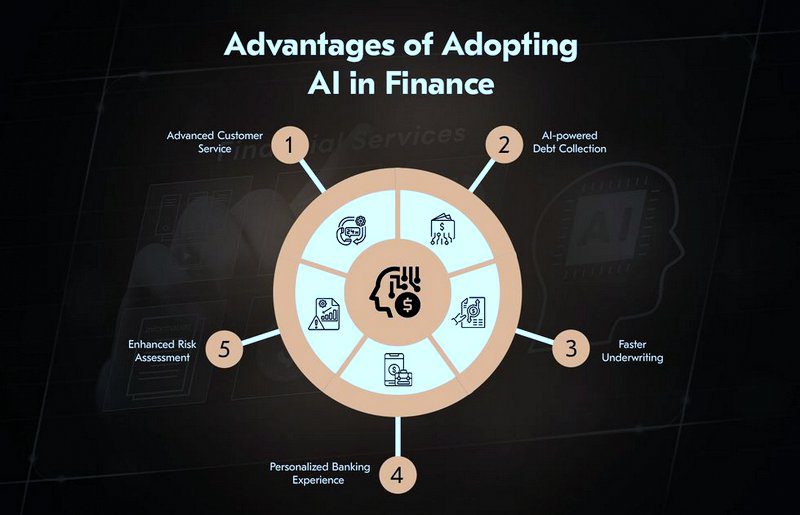
AI-driven systems enable real-time data analysis, helping financial institutions make faster, more informed decisions. They also identify subtle anomalies that traditional methods might overlook, minimizing potential losses.
How GARP Is Adapting to AI Advancements
To remain relevant, GARP has launched initiatives to help professionals master AI and data-driven risk models.
AI-Focused Learning and Research
GARP collaborates with global universities, fintech innovators, and regulatory bodies to study the ethical and operational challenges of AI in finance. Its AI and Machine Learning in Risk Management modules introduce practical frameworks for model governance, interpretability, and bias mitigation.

The Future of GARP Certifications with AI Integration
Expect future GARP programs to include AI ethics, data governance, and explainable AI (XAI) as core modules. These additions will make the FRM certification even more valuable in a world where AI literacy is a necessity.
Risk Management Transformation Through AI
Traditional risk management relied on static models and historical data. AI now enables dynamic, real-time risk prediction using continuous data streams.
Predictive Risk Modeling and AI Algorithms
AI algorithms process millions of data points across markets, enabling firms to anticipate credit defaults, operational failures, or liquidity crises before they occur.
For instance, AI-powered models can forecast loan delinquencies months ahead by analyzing alternative data such as spending patterns or sentiment trends.
Credit Risk Assessment and Fraud Detection
AI helps financial institutions detect fraud patterns in seconds, drastically reducing losses. Credit scoring models enhanced with AI are more equitable and less prone to human bias, leading to better financial inclusion.
Case Studies: Successful AI Integration in Risk Management
| Organization | Application | Outcome |
|---|---|---|
| JPMorgan Chase | AI-driven compliance monitoring | Reduced human error by 30% |
| Allianz | Predictive analytics in underwriting | Enhanced claim accuracy |
| HSBC | Machine learning for credit risk | Faster loan approvals |
| Deloitte | NLP tools for regulatory analysis | Streamlined compliance audits |
These real-world examples demonstrate how AI aligns perfectly with GARP’s standards of ethical, accurate, and transparent risk oversight.
Ethical Considerations in AI-Powered Risk Management
While AI offers efficiency, it also raises ethical and regulatory concerns. GARP emphasizes responsible AI usage by addressing:
- Algorithmic bias that may perpetuate unfair outcomes
- Data privacy under global standards like GDPR
- Transparency through explainable models
- Accountability for AI-driven decisions
Maintaining human oversight ensures AI remains a tool for empowerment, not replacement.
Challenges of Implementing AI in Risk Management
Despite its benefits, AI adoption faces challenges:
- Data quality issues
- Model interpretability (black-box problems)
- Regulatory uncertainty
- High implementation costs
Overcoming the Human-AI Collaboration Gap
Organizations can bridge the gap through continuous education, cross-functional collaboration, and ethical AI governance — areas where GARP’s certification programs provide structured guidance.
Future Trends: AI, Machine Learning, and Risk Analytics
The next decade will bring rapid advances in generative AI, explainable AI (XAI), and deep reinforcement learning for risk management. AI will not only predict but also simulate potential crises, enabling better stress testing and scenario planning.
According to a 2025 GARP research brief, over 78% of financial institutions plan to integrate AI-driven risk analytics into their operations by 2027.
Benefits of Combining Risk Management Expertise with AI Skills
Professionals who blend risk management knowledge with AI proficiency are highly sought after. They can interpret model results, ensure compliance, and add human judgment to automated systems.
How to Build a Career in Risk and AI GARP
- Earn GARP certifications like FRM or SCR.
- Develop technical skills in Python, data analytics, and ML tools.
- Understand AI regulations and ethical frameworks.
- Join GARP research communities for continuous learning.
FAQs on Risk and AI GARP
What is Risk and AI GARP?
How does AI improve risk management?
Does GARP offer AI-related certifications?
Is AI replacing human risk managers?
What industries benefit most from AI in risk management?
How can professionals prepare for the AI era of risk management?
What are the ethical risks of AI in finance?
Where can I learn more about AI risk practices?
Conclusion: The Future of Risk and AI under GARP’s Vision
Risk and AI GARP represent the future of intelligent, responsible, and resilient risk management. As AI continues to revolutionize financial systems, GARP stands as a guiding force ensuring innovation remains ethical and data-driven.
Professionals who embrace this transformation early will lead the next generation of global risk leaders — where artificial intelligence and human expertise work together to create safer, smarter, and more transparent financial systems.