Best Cloud Computing Course in Chandigarh: Build Job-Ready Cloud Skills
Cloud technology has changed the way businesses build, store, manage, and deliver digital services. From startups to large enterprises, companies now depend on cloud platforms for applications, databases, analytics, security, backups, and scalable infrastructure. This growing demand has created strong opportunities for students and professionals who understand Cloud Computing.

For learners looking for the Best Cloud Computing Course in Chandigarh, choosing a program with practical learning, industry-focused skills, and experienced guidance is important. A good course should not only explain cloud concepts but also help learners understand how cloud services are used in real business environments.
The

Core Systems is a software development and AI-driven company that provides professional training in areas such as AWS Cloud Computing, Artificial Intelligence, Data Science, Full-Stack Development, IoT, IIoT, Data Analytics, Embedded Systems, Python, Cyber Security, and Linux.
Our cloud training is designed for university students, fresh graduates, working professionals, and technology learners who want to develop useful cloud skills and understand modern IT infrastructure.
What Is Cloud Computing?
Cloud Computing means using computing resources through the internet instead of depending only on local computers or physical servers.
These resources can include:
- Computing power
- Storage
- Databases
- Networking
- Applications
- Security services
- Monitoring tools
- Data processing services
Cloud platforms allow organizations to increase or reduce resources according to their needs. This makes cloud technology useful for websites, mobile applications, business software, data systems, and many other digital products.
Learning these fundamentals is the starting point for anyone considering a Cloud Computing Course in Chandigarh or a professional cloud certification path.
Why Learn Cloud Computing in Chandigarh?
Chandigarh and the surrounding Tricity region have a growing technology and business ecosystem. Students and professionals can benefit from learning skills that are relevant to software companies, IT services, startups, and industrial organizations.
A structured Cloud Computing Course in Chandigarh can help learners understand both the theory and practical use of cloud platforms.
Important reasons to learn cloud technology include:
- Growing use of cloud-based applications
- Increasing demand for IT infrastructure skills
- Opportunities to work with modern development teams
- Better understanding of scalable applications
- Useful knowledge for DevOps and software development
- Strong foundation for cloud certifications
- Applications across many industries
Cloud skills can also complement knowledge of Python, Linux, Cyber Security, Data Analytics, and Full-Stack Development.
Why Choose The Core Systems for Cloud Training?
The Core Systems combines software development experience with technical training. This gives learners an opportunity to understand how cloud concepts connect with real software and business applications.
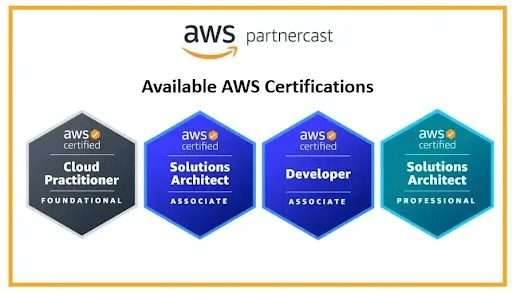
The training approach focuses on concepts, demonstrations, practical exercises, and project-based learning rather than memorizing definitions.
Learners can develop an understanding of:
- Cloud fundamentals
- AWS services
- Virtual computing concepts
- Cloud storage
- Databases
- Networking basics
- Identity and access concepts
- Security fundamentals
- Monitoring
- Application deployment
- Cloud-based architecture
For students searching for the Best Cloud Computing Course in Chandigarh, this combination of technical learning and practical exposure can provide a useful foundation.
What You Will Learn in a Cloud Computing Course
A well-structured course should take learners from basic concepts to practical cloud usage.
The curriculum can cover:
- Introduction to Cloud Computing
- Cloud service models
- Cloud deployment models
- Virtualization concepts
- Compute resources
- Cloud storage
- Databases
- Networking fundamentals
- Identity and access management
- Cloud security
- Application deployment
- Monitoring and resource management
- Backup and recovery concepts
- Cost and resource awareness
- Cloud project implementation
The objective is to help learners understand how different cloud services work together rather than studying each service in isolation.
Understanding AWS Cloud Computing
AWS is one of the major cloud platforms used by organizations around the world. Learning AWS can give students and professionals practical exposure to commonly used cloud concepts.

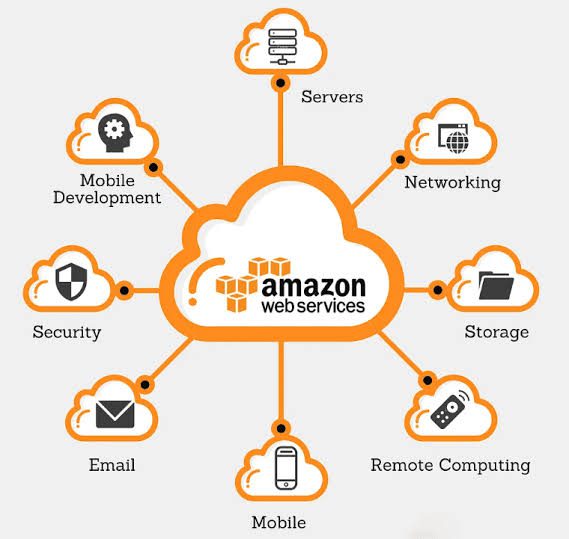
An AWS-focused Cloud Computing Course in Chandigarh may introduce learners to services and concepts related to:
- Compute
- Storage
- Databases
- Networking
- Security
- Identity management
- Monitoring
- Application hosting
The exact services used can vary depending on the learning objectives and project requirements.
For beginners, the most important goal is to understand why a particular cloud service is used and how it supports an application or business requirement.
Cloud Computing Skills for Students
University students can benefit from learning cloud technology before entering the professional IT market.
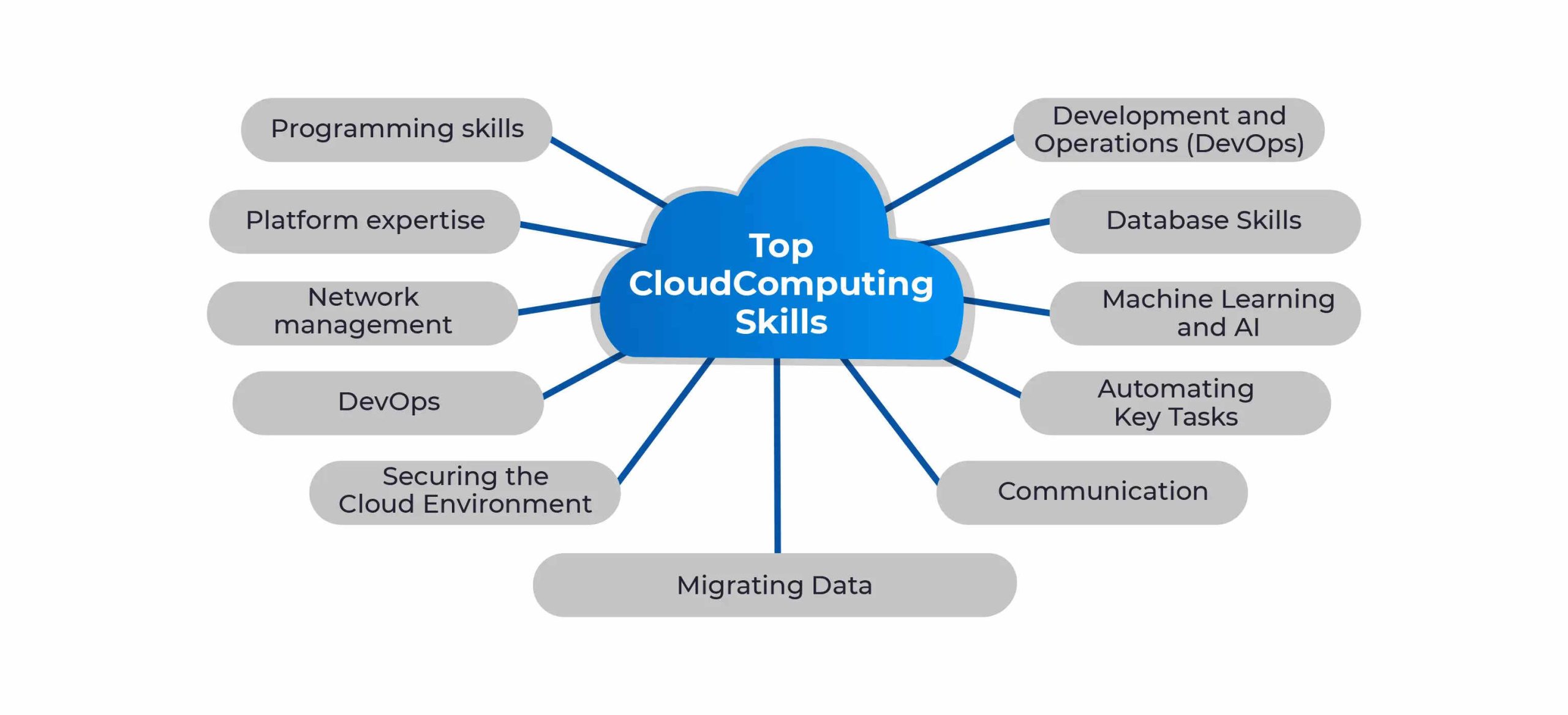
A student who understands cloud fundamentals can connect classroom subjects with practical technology. For example, a web development project can be deployed using cloud infrastructure, while a Python application can use cloud-based computing or storage.
Students can use cloud learning to strengthen their profiles in areas such as:
- Software development
- Application deployment
- DevOps
- Cloud support
- Infrastructure
- Data engineering
- Cyber Security
- System administration
A Cloud Computing Course in Chandigarh can therefore complement a student’s existing programming or computer science education.
Cloud Skills for Working Professionals
Cloud technology is not limited to freshers. Professionals already working in IT can also benefit from upgrading their skills.
Developers can learn how applications are deployed in cloud environments. System administrators can understand modern infrastructure. Data professionals can explore cloud-based data services. Security professionals can learn about cloud security principles.
Professionals from different backgrounds can use Cloud Computing knowledge to better understand modern technology projects.
The Core Systems also works on corporate and industrial projects across Chandigarh, Mohali, Punjab, Haryana, and nearby areas, helping connect training concepts with real-world technology requirements.
Practical Learning and Project-Based Training
Reading about cloud services is different from actually using them. Practical work helps learners understand the relationship between cloud resources and application requirements.
A quality Cloud Computing Course in Chandigarh should include practical activities such as:
- Creating and managing cloud resources
- Working with cloud storage
- Understanding access permissions
- Deploying a simple application
- Exploring monitoring concepts
- Working with databases
- Reviewing cloud security practices
- Building a basic cloud-based project
Projects also give learners something practical to discuss during interviews and technical discussions.
Cloud Computing and Career Opportunities
Cloud knowledge can support several technology career paths. The actual job role depends on a person’s education, experience, additional skills, and employer requirements.
Potential career directions include:
| Career Area | Relevant Cloud Skills |
|---|---|
| Cloud Support | Cloud services, troubleshooting, monitoring |
| Cloud Administrator | Infrastructure, access, resource management |
| Cloud Engineer | Cloud architecture and deployment |
| DevOps | Automation, deployment, infrastructure |
| Software Developer | Cloud application deployment |
| System Administrator | Linux, networking, cloud infrastructure |
| Data Professional | Cloud storage and data services |
| Cyber Security Professional | Cloud security and access management |
Learners should remember that completing a course alone does not guarantee employment. Projects, technical practice, communication skills, certifications, and interview preparation can all contribute to career development.
Cloud Computing with Python and Linux
Cloud professionals often benefit from knowledge of other technical areas.
Python can be useful for automation, scripting, application development, and data-related tasks. Linux is also widely relevant to server and cloud environments.
Combining these skills can create a stronger technical foundation.
For example, a learner might study:
Python → Linux → Cloud Computing → AWS → Deployment → Projects
This type of learning path can be useful for students who want to move toward cloud engineering, DevOps, automation, or backend development.
Cloud Computing and Cyber Security
Security is an important part of cloud technology. Organizations need to protect applications, data, accounts, and infrastructure.

A Cloud Computing learner should understand basic concepts such as:
- Access control
- Identity management
- Secure configuration
- Data protection
- Monitoring
- Authentication
- Permissions
- Backup practices
Cloud security is a broad field, so beginners should first develop strong fundamentals before moving into advanced security topics.
For authoritative cloud security and technology information, consider adding [Insert link to AWS official documentation or another reputable technology source].
Cloud Computing for Real-World Projects
The best way to understand cloud technology is to connect learning with practical business problems.
A simple project might involve hosting a web application. Another could involve storing application data in the cloud. A more advanced project could combine an application, database, storage, monitoring, and access management.
The Core Systems develops corporate and industrial projects in Chandigarh, Mohali, Punjab, Haryana, and nearby regions. This project exposure helps demonstrate why cloud technology matters outside the classroom.
Students can use these projects to practice:
- Requirement analysis
- Cloud resource planning
- Application deployment
- Basic security
- Testing
- Monitoring
- Documentation
How to Select the Best Cloud Computing Course in Chandigarh
Different training institutes may offer different curricula and teaching methods. Before enrolling, learners should compare the program carefully.
Consider these factors:
- Course curriculum: Does it cover cloud fundamentals and practical topics?
- Practical exposure: Are learners given hands-on exercises?
- Projects: Does the course include real or realistic projects?
- Trainer experience: Do instructors understand practical technology?
- Career support: Is interview or resume guidance available?
- Learning level: Is the program suitable for beginners or professionals?
- Technology coverage: Does it include relevant cloud platforms?
- Class format: Does the schedule suit your availability?
The right choice depends on your current skills and career goals, rather than simply selecting a course based on its name.
Cloud Computing Course vs Self-Learning
Self-learning can be useful, especially when learners have strong discipline and access to quality documentation. However, beginners may face difficulties when concepts become connected.
A structured Cloud Computing Course in Chandigarh can provide:
- A planned learning path
- Trainer guidance
- Practical assignments
- Project support
- Peer learning
- Faster clarification of doubts
- Structured progress
Self-learning and classroom training can also be combined. Learners can use official documentation, tutorials, and practice environments to continue learning after class.
Benefits of Learning Cloud Computing at The Core Systems
The Core Systems focuses on practical technology education connected with modern software development.
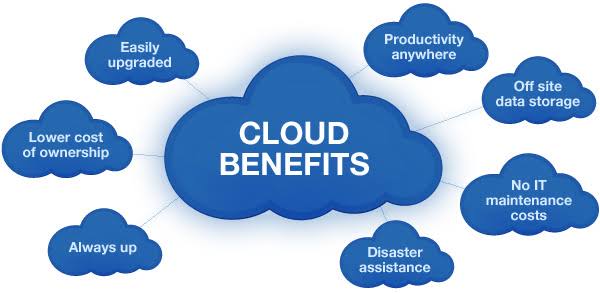
Learners can benefit from:
- Industry-oriented curriculum
- Practical cloud exercises
- Project-based learning
- AWS Cloud Computing exposure
- Experienced technical guidance
- Integration with Python and Linux concepts
- Career-focused technical preparation
- Training suitable for students and professionals
The goal is to help learners build skills they can continue developing after completing the course.
A Simple Cloud Computing Learning Roadmap
Beginners do not need to learn everything at once. A step-by-step approach is easier to follow.
Step 1: Learn the Basics
Understand cloud computing, virtualization, service models, and deployment models.
Step 2: Learn Linux and Networking Basics
Develop a basic understanding of operating systems, networking, servers, and common command-line tasks.
Step 3: Start AWS Cloud Computing
Explore common AWS concepts related to computing, storage, databases, security, and monitoring.
Step 4: Practice Deployment
Deploy simple applications and understand how different cloud resources interact.
Step 5: Build Projects
Create projects that demonstrate practical cloud knowledge.
Step 6: Prepare for Certification or Jobs
After building fundamentals, learners can explore relevant certifications, technical interviews, internships, and entry-level opportunities.
Why Cloud Computing Is a Valuable Modern Skill
Businesses increasingly depend on digital systems that need flexibility, reliability, and scalable infrastructure. Cloud platforms provide tools that can support these requirements.
Learning Cloud Computing can therefore help technology professionals understand an important part of modern IT.
However, cloud technology continues to evolve. Successful learners should develop a habit of continuous learning instead of treating a single course as the end of their education.
For students and professionals in the Tricity region, a structured Cloud Computing Course in Chandigarh can be a practical starting point for building this foundation.
Start Your Cloud Computing Journey with The Core Systems
Choosing the Best Cloud Computing Course in Chandigarh should be based on practical value, curriculum quality, trainer guidance, project exposure, and your personal career goals.
The Core Systems offers training in AWS Cloud Computing along with Python, Linux, Cyber Security, Data Analytics, AI, Data Science, Full-Stack Development, IoT, IIoT, and other modern technology areas.
Whether you are a university student preparing for your first technology role or a working professional looking to strengthen your technical skills, learning Cloud Computing can add an important dimension to your IT knowledge.
Start with the fundamentals, practice consistently, build meaningful projects, and continue learning as cloud technology develops.
Frequently Asked Questions About Cloud Computing Course in Chandigarh
Which is the Best Cloud Computing Course in Chandigarh?
Is a Cloud Computing Course in Chandigarh suitable for beginners?
What is taught in a Cloud Computing Course in Chandigarh?
What jobs can I pursue after Cloud Computing training?
Contact us