Data Science Vs Data Analyst: Complete Career Guide
Introduction to the Modern Data Landscape
In today’s fast-paced digital era, data is often called the new oil. Every click, transaction, and scroll generates valuable information that organizations use to shape their future. However, raw data by itself is meaningless. It requires skilled professionals to clean, analyze, and translate it into actionable business insights. If you are standing at a career crossroads and trying to choose your path, you have likely encountered two of the most popular titles in the industry: data scientist and data analyst. This comprehensive guide will explore Data Science Vs Data Analyst: Complete Career Guide to help you understand the core differences, daily responsibilities, required skills, and earning potential so you can make an informed decision about your professional future.
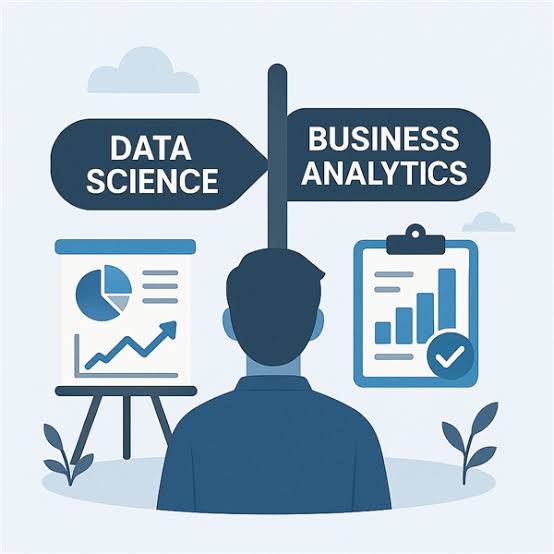
Choosing the right career path is crucial, especially when looking at the broader picture of data science and data analyst roles. While both career tracks revolve around crunching numbers and helping businesses make better decisions, their day-to-day work, technical toolsets, and ultimate goals differ significantly. At The Core Systems, a premier software development and AI-driven company based in Mohali and Chandigarh, we train hundreds of university students and industry professionals every year to master these exact domains. Whether you want to build predictive artificial intelligence models or uncover actionable trends in financial spreadsheets, understanding data science vs. data analyst career trajectories is your first step toward success.

>What is a Data Analyst?
A data analyst is primarily responsible for interpreting complex datasets and turning them into digestible reports, dashboards, and visualizations that help business leaders make immediate decisions. Think of a data analyst as a translator who bridges the gap between raw data and business strategy. They look at what has already happened and explain why it happened.
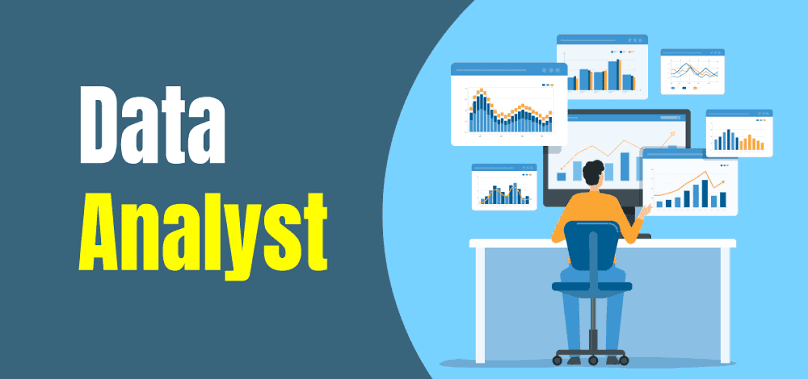
Daily Responsibilities of a Data Analyst
-
Collecting data from various primary and secondary sources.
-
Cleaning and organizing messy data to ensure accuracy and consistency.
-
Designing and maintaining interactive dashboards using tools like Tableau or Power BI.
-
Generating periodic reports for management teams to track key performance indicators (KPIs).
-
Collaborating with cross-functional teams to identify operational bottlenecks and growth opportunities.
Core Skills Required for Data Analysts
To thrive as a data analyst, you need a strong foundation in statistics, data visualization, and querying languages. At The Core Systems, our training programs emphasize hands-on learning with industry-standard tools.
-
SQL (Structured Query Language): The essential tool for pulling and manipulating data from relational databases.
-
Excel & Spreadsheets: Advanced formulas, pivot tables, and data modeling for quick analysis.
-
Data Visualization Tools: Software such as Tableau and Microsoft Power BI to present findings visually.
-
Basic Python or R: For automating repetitive tasks and performing basic statistical analysis.
>What is a Data Scientist?
A data scientist takes data analysis a step further by looking ahead. While data analysts focus on historical and current trends, data scientists build predictive models, machine learning algorithms, and advanced automation pipelines to forecast future outcomes and solve complex, unstructured problems. A data scientist is part statistician, part software engineer, and part business strategist.
Daily Responsibilities of a Data Scientist
-
Designing and implementing machine learning models and neural networks.
-
Writing advanced algorithms to handle massive, unstructured datasets (Big Data).
-
Conducting exploratory data analysis using custom programming scripts.
-
Working closely with software engineers to deploy predictive models into production environments.
-
Researching new methodologies to improve data collection and predictive accuracy.
Core Skills Required for Data Scientists
Becoming a successful data scientist requires a deeper mastery of programming, mathematics, and computer science principles.
-
Advanced Programming: Proficiency in Python, R, or Scala for building complex models.
-
Machine Learning & AI: Understanding regression, classification, clustering, and deep learning frameworks (like TensorFlow or PyTorch).
-
Mathematics & Statistics: Strong grasp of linear algebra, calculus, and probability theory.
-
Big Data Technologies: Familiarity with Apache Spark, Hadoop, and cloud-based data storage ecosystems.
>Head-to-Head Comparison: Data Science Vs Data Analyst
To fully grasp the nuances of Data Science Vs Data Analyst: Complete Career Guide, it helps to see them side by side. The following comparison table highlights the core distinctions between the two professions.
| Feature / Metric | Data Analyst | Data Scientist |
| Primary Focus | Past and present trends; descriptive analysis. | Future predictions and automation; predictive analysis. |
| Key Question Answered | “What happened and why did it happen?” | “What is likely to happen next and how?” |
| Programming Needs | Moderate (SQL, basic Python/R for automation). | High (Advanced Python, R, Java, C++). |
| Statistical Depth | Descriptive statistics, probability, basic hypothesis testing. | Advanced predictive modeling, machine learning, calculus, linear algebra. |
| Primary Tools | Excel, SQL, Power BI, Tableau. | Python, TensorFlow, PyTorch, Spark, Git. |
| Data Handling | Mostly structured data in relational databases. | Structured, semi-structured, and unstructured data (Big Data). |
>Exploring the Intersection: Data Science and Data Analyst Synergy
It is a common misconception that these two career paths operate in complete isolation. In reality, data science and data analyst roles work hand in hand within modern tech organizations. For instance, a data analyst might notice a sudden drop in customer retention for an e-commerce platform. They will build a dashboard, present the trend to stakeholders, and isolate the customer segments involved.
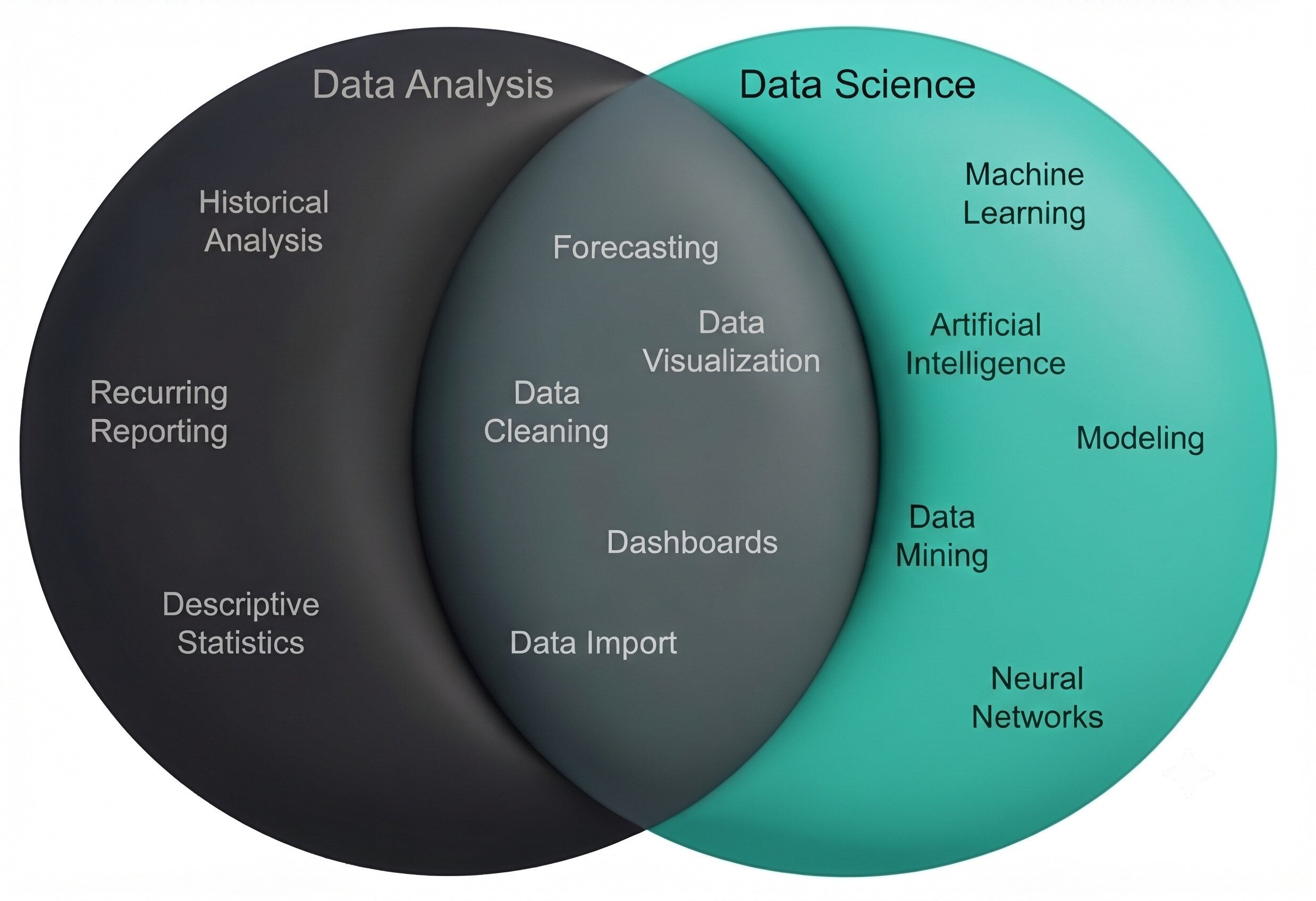
Once the problem is clearly defined, a data scientist steps in to build a complex machine learning churn-prediction model. This collaborative synergy ensures that businesses can both diagnose current issues and proactively prevent future ones. For students training at The Core Systems in Punjab and Haryana, understanding how these two roles complement each other provides a massive advantage in the job market, as modern employers often look for professionals who understand the entire data lifecycle.
>Educational Pathways and Training at The Core Systems
Entering the tech industry requires targeted education, practical project experience, and mentorship. Whether you are leaning toward becoming a data analyst or a data scientist, structured learning accelerates your journey.
Why Practical Training Matters
Traditional university degrees offer great theoretical foundations, but practical, industry-driven projects are what catch the eye of recruiters. At The Core Systems, located centrally in the Chandigarh and Mohali region, our curriculum is designed in collaboration with industry experts. We focus on real-world problem-solving, ensuring that university students and working professionals gain hands-on experience with live industrial datasets.
Key Modules in Our Data Curriculum
-
Foundational Mathematics and Statistics: Building the mental framework required for data interpretation.
-
Database Management: Mastering SQL queries, database design, and data warehousing principles.
-
Data Visualization Workshops: Creating impactful dashboards that communicate stories through data.
-
Machine Learning Integration: Moving from basic scripts to advanced predictive algorithms.
>Day-to-Day Work Environments and Company Culture
Understanding what your workday will look like is an essential part of evaluating any career path. Both data analysts and data scientists typically work in office environments, hybrid setups, or fully remote arrangements within tech companies, financial institutions, healthcare organizations, and retail giants.
A Typical Day for a Data Analyst
-
Morning: Check automated dashboards for any anomaly alerts or sudden metric drops.
-
Mid-Day: Meet with the marketing team to discuss a campaign performance report and pull targeted customer metrics using SQL.
-
Afternoon: Refine a Power BI dashboard to include new sales metrics requested by the regional director.
A Typical Day for a Data Scientist
-
Morning: Review the performance metrics of a newly deployed recommendation algorithm running in production.
-
Mid-Day: Collaborate with software engineers to optimize Python code for faster model training.
-
Afternoon: Experiment with a new neural network architecture to improve natural language processing capabilities.
>Salaries, Career Growth, and Job Market Demand
The demand for data professionals across India and globally continues to skyrocket. Companies across all sectors—from manufacturing hubs in Haryana to IT parks in Mohali and Chandigarh—are aggressively hiring talent that can harness the power of information.
Earning Potential and Progression
While exact salaries vary by experience, location, and company size, data scientists generally command higher entry-level packages because of the advanced mathematical and programming skills required. However, data analysts have a faster entry timeline and can rapidly transition into senior analytics or data science roles with proper upskilling.
-
Data Analyst Career Path: Junior Analyst -> Senior Data Analyst -> Analytics Manager -> Head of Business Intelligence.
-
Data Scientist Career Path: Junior Data Scientist -> Senior Data Scientist -> Lead AI Engineer -> Chief Data Officer (CDO).
According to industry reports from leading tech journals, the global market for data professionals is projected to expand significantly over the next decade. For more insights on global tech trends and career growth, you can check out resources like [Insert link to reputable tech journal/site].
Comm>Common Misconceptions in Data Careers
ata-path-to-node="54">Before committing to a path in data science vs. data analyst, it is important to clear up a few widespread myths that often confuse beginners.You Need a Ph.D. to Work in Data Science
While a strong academic background in mathematics or computer science is beneficial, it is not a strict requirement. Many successful data scientists are self-taught programmers or graduates from specialized tech training programs who have proven their practical skills through robust project portfolios.
Data Analysts Only Work in Excel
While Microsoft Excel remains a fundamental tool, modern data analysts routinely use advanced SQL queries, Python scripts, and complex visualization software like Tableau. The days of manual spreadsheet entry are long gone; today’s analyst is a technical problem solver.
Freque>Frequently Asked Questions (FAQs)
ta-path-to-node="61">What is the main difference between Data Science Vs Data Analyst?
Which career path is easier for beginners: data science or data analyst?
Do I need to know programming for both roles?
How does The Core Systems help students in Chandigarh and Mohali build careers in these fields?
Can a data analyst transition into a data scientist role later?
What tools should I learn first when exploring data science vs. data analyst options?
What kind of companies hire data professionals in Punjab and Haryana?
Contact Us